
In the tapestry of traditional medicine, owls are often woven as enigmatic symbols—silent sentinels of the night whose presence evokes both reverence and unease. Flapping through the shadowed corridors of cultural mythos, these nocturnal creatures occupy a liminal space between wisdom and superstition. Their roles in ancient healing practices, spiritual rituals, and mythological narratives shimmer like moonlight on a still forest pond, reflecting the complex interplay of fear, respect, and mystique. To unearth the truths nestled beneath the layers of folklore offers a compelling journey into the unique appeal of owls within traditional medicine.
How to Use Infographics to Explain the Barred vs. Spotted Owl Controversy
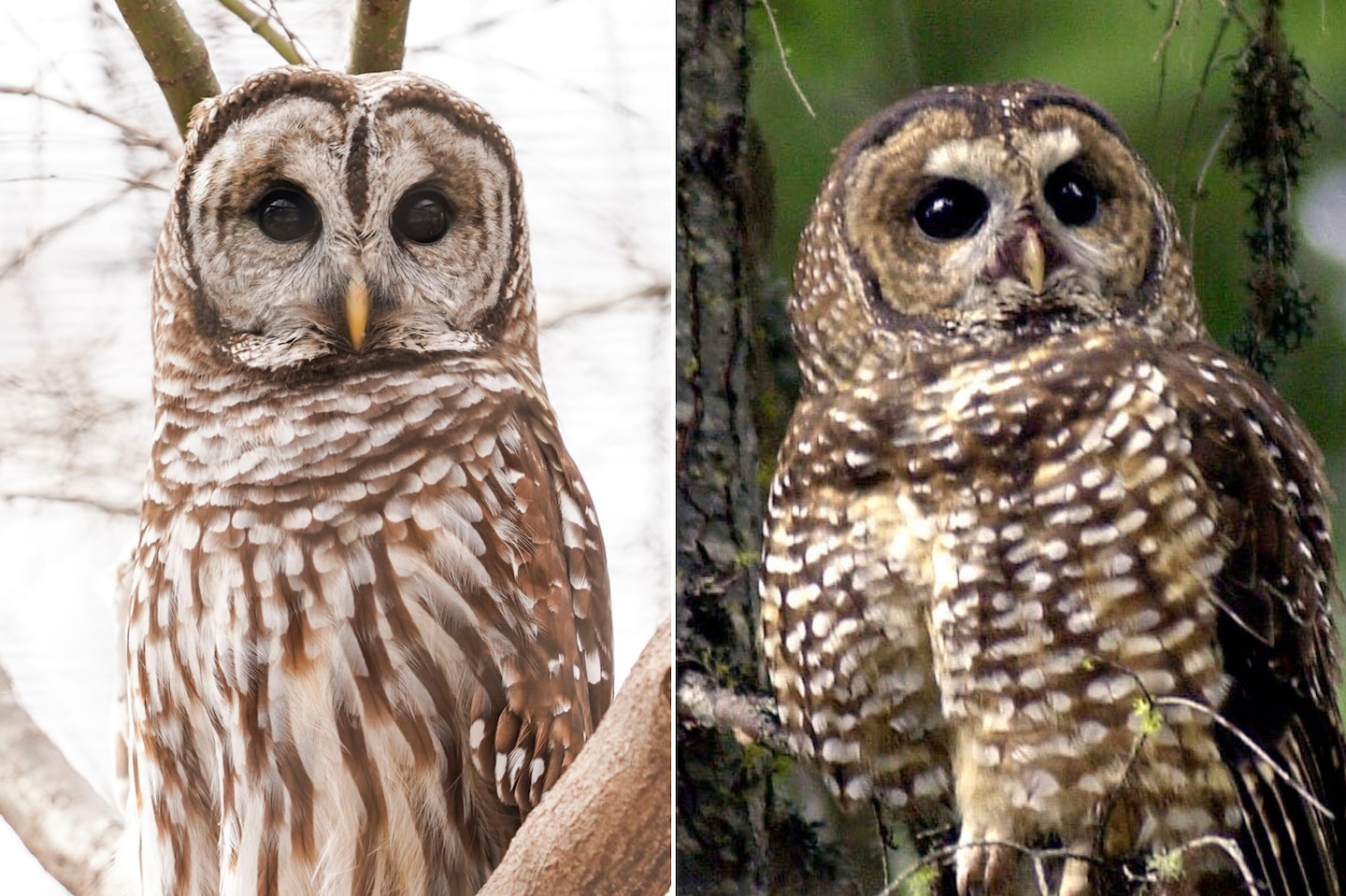
The barred owl, with its haunting, striped plumage and unnervingly human-like gaze, has long been a creature of fascination—both for its eerie beauty and its unsettling adaptability. Yet this same adaptability now threatens the spotted owl, a reclusive denizen of ancient forests whose very existence has become a battleground in the quiet war over ecological balance. The controversy isn’t just about two owl species; it’s about how we, as humans, choose to interpret and intervene in nature’s delicate choreography. Infographics, those sleek vessels of data-driven storytelling, offer a compelling way to untangle this complex narrative—not by simplifying it, but by revealing the hidden threads that bind science, policy, and perception together.
Snowy Owl Calls: A Guide to Identifying Their Unique Sounds
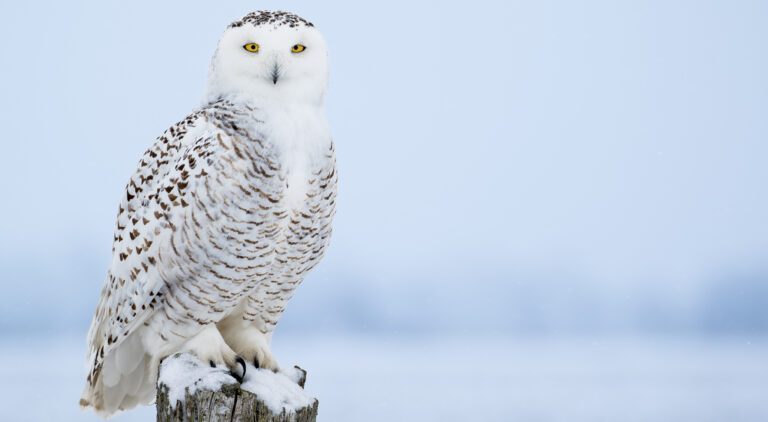
Have you ever found yourself captivated by the eerie silence of a snowy landscape, only to be startled by an unfamiliar, haunting call echoing through the frosted trees? Identifying the vocalizations of snowy owls can pose a delightful yet daunting challenge for bird enthusiasts and nature explorers alike. These enigmatic raptors possess a repertoire of sounds as distinctive as their dazzling white plumage, inviting listeners to decipher their language hidden within the wintry wilderness.
The Role of Owls in Grassland Ecosystems: Predators of the Plains
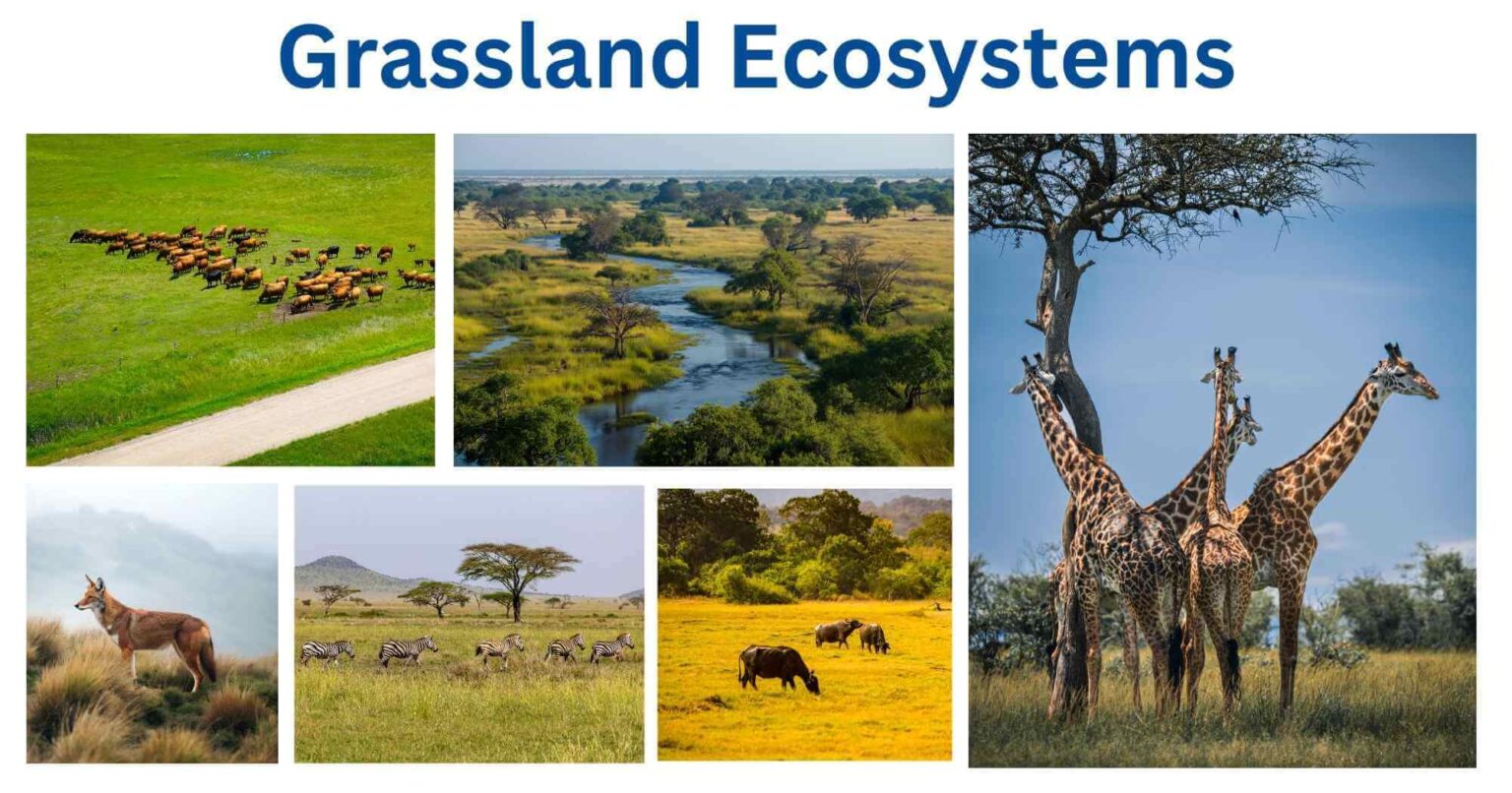
Have you ever stood in the heart of a grassland at dusk, where the wind hums through the tall blades and the earth exhales the warmth of the day? As the sun dips below the horizon, painting the sky in hues of amber and violet, a silent shadow begins its nightly patrol. Who is this stealthy sentinel of the plains, this winged guardian that rules the twilight with an iron talon and a gaze that pierces the dark? Meet the owl—nature’s most enigmatic predator, a creature of paradox, both feared and revered, whose presence in grassland ecosystems is nothing short of a biological masterstroke.
The Role of Social Media in Owl Rescue: Spreading Awareness
The night descends like a velvet shroud, and in the hush of the forest, a pair of golden eyes blinks open. An owl, that silent sentinel of the twilight, finds itself ensnared—not by the talons of prey, but by the invisible threads of human progress. Social media, that vast digital canopy, has become an unlikely sanctuary for these feathered guardians. It is here, in the flicker of screens and the hum of algorithms, that stories of rescue and rehabilitation unfold like wings unfurling at dusk. This is the tale of how pixels and passion converge to shield the wild.
Barred Owl Migration: Do They Move Seasonally?
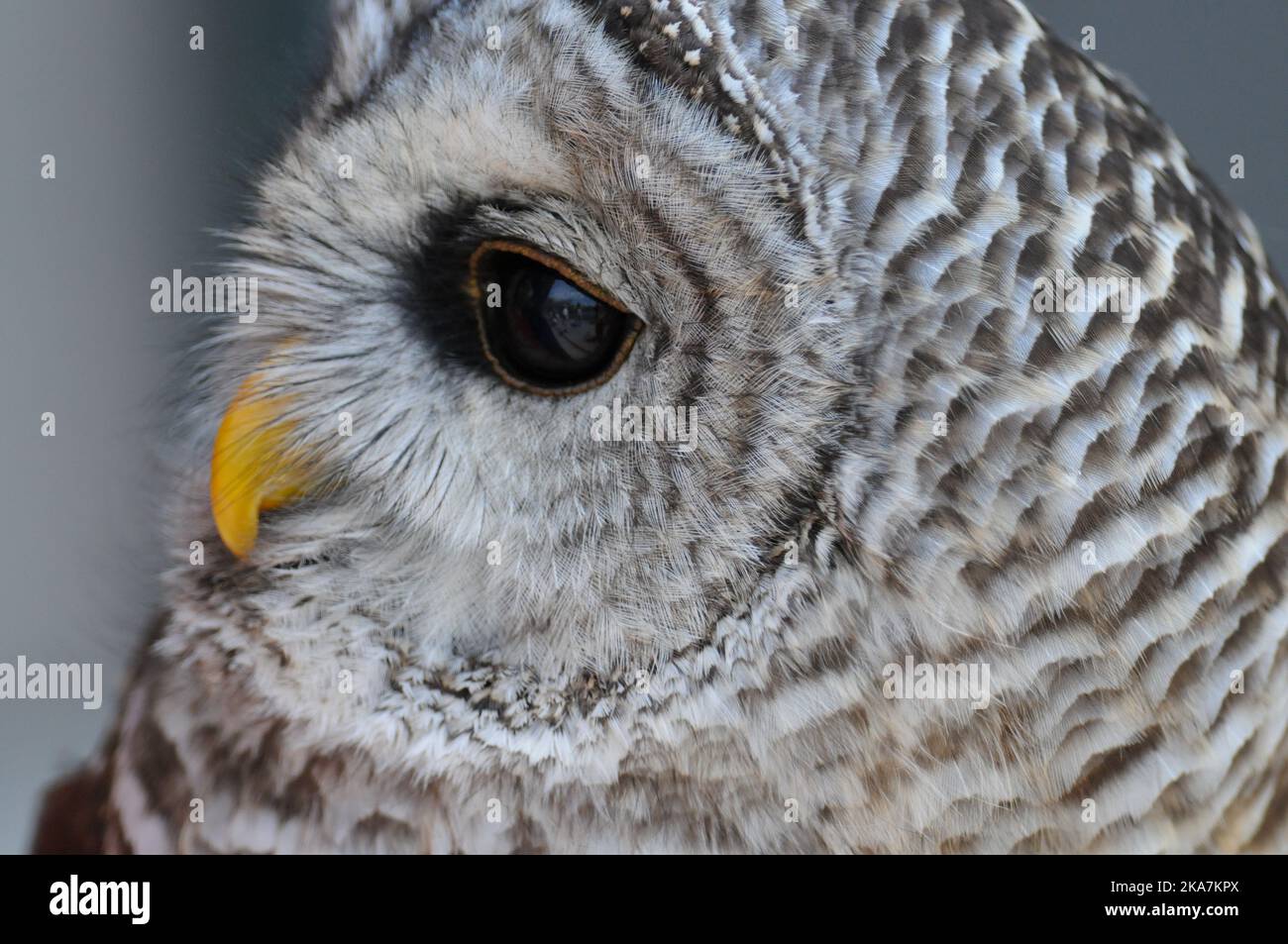
In the grand theatre of the natural world, migration is the ballet of survival—a rhythmic dance choreographed by the changing seasons. Many avian species script their journeys across skies in sweeping arcs, painting ephemeral lines upon the horizon. Yet, amidst this vivid pageantry, the Barred Owl moves with an enigma that resists facile classification. Does this haunting raptor, cloaked in mottled shades of dusk, partake in the migratory ritual that so defines many of its kin? The question invites us into a deeper exploration, seeking to unravel the mysteries cloaked beneath its silent wings.
How Owls Are Affecting Insect Communities: Their Role in Controlling Pests
Have you ever paused beneath the moonlit canopy of a forest and wondered who the true guardians of the night might be? While wolves howl and foxes prowl, there exists a silent sentinel whose presence is felt more in absence than in sound—the owl. These nocturnal acrobats, with their luminous eyes and feathered grace, are not merely creatures of folklore or harbingers of superstition. They are, in fact, the unsung heroes of ecological balance, wielding an invisible scepter over the teeming insect world below. But what happens when these feathered predators falter? What ripple effects surge through the underbrush when their wings grow still? Today, we unravel the intricate dance between owls and insects—a relationship that is as vital as it is vulnerable.
How to Design Owl-Friendly Infrastructure: Buildings Roads and Utilities

There is something quietly profound about the way owls navigate the world—an ancient, almost mystical harmony between predator and landscape. These nocturnal architects of the sky, with their silent wings and piercing gaze, have long captivated human imagination, yet their survival is increasingly threatened by the very structures we build to house, connect, and power our lives. The irony is stark: the same infrastructure that sustains human progress often carves through the habitats that owls have relied upon for millennia. But what if we could flip the script? What if our buildings, roads, and utilities became not just neutral bystanders, but active allies in the preservation of owl populations? Designing owl-friendly infrastructure isn’t just an ecological imperative—it’s a chance to weave a new narrative of coexistence, where human ingenuity and wildlife flourish in tandem.
The Role of Lemmings in the Snowy Owl’s Survival
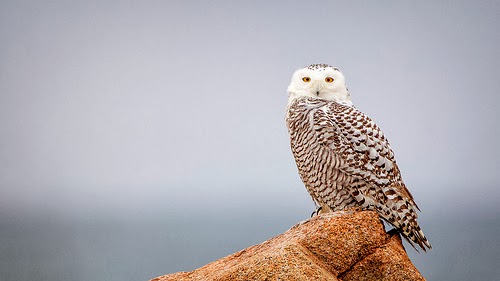
There is a certain magnetism to the snowy owl’s presence on the frigid arctic landscapes—a majestic silhouette against endless expanses of ice and tundra. Observers are often captivated not only by their striking white plumage and piercing gaze but by the intricate dance that unfolds between predator and prey. At the heart of this relationship lies a small yet profoundly significant animal: the lemming. These tiny rodents are far more than mere components of the polar ecosystem; they are integral to the snowy owl’s very existence. Exploring the role of lemmings in the snowy owl’s survival unveils a fascinating narrative of ecological interdependence, adaptation, and the raw rhythms of survival in one of Earth’s harshest environments.
Using Isotope Analysis to Track Snowy Owl Diet Changes Due to Climate Shifts
In the frozen expanse where the Arctic tundra meets the encroaching whispers of a warming world, the snowy owl stands as both sentinel and survivor. Once a silent observer of an unchanging landscape, this majestic predator now faces a diet in flux—a shifting buffet dictated not by the ancient rhythms of nature, but by the relentless march of climate change. To unravel this dietary enigma, scientists turn to a powerful tool: isotope analysis. This method, a blend of chemistry and ecology, offers a window into the owl’s meals, revealing not just what it eats, but how its sustenance is being rewritten by a planet in turmoil.